A significant proportion of the world’s most exceptional homes change hands without ever appearing on a property portal or receiving a listing agent’s signboard. These off-market transactions, sometimes called “pocket listings” or “private sales,” account for an estimated 30 to 40 percent of luxury property deals in major global markets, operating through discreet networks of brokers, private banks, and trusted intermediaries who broker introductions between sellers seeking confidentiality and buyers willing to pay a premium for exclusive access.
The mechanics of these invisible transactions differ markedly from conventional sales. Rather than public marketing campaigns, off-market homes circulate through curated databases accessible only to vetted brokers representing qualified buyers. A Paris apartment might pass from a retiring industrialist to a tech entrepreneur through a single encrypted email. A Cotswolds manor could sell to a neighboring estate owner over dinner, the transaction formalized weeks before any paperwork surfaces. The architecture itself often drives this discretion. Homes designed by celebrated architects or featuring museum-quality interiors attract clientele who value privacy as highly as provenance.
This shadow market reshapes how significant architecture enters the cultural conversation. When a Tadao Ando-designed residence or a restored Brutalist masterpiece sells privately, the broader design community loses the opportunity to study and celebrate these works through the usual channels of real estate marketing photography and open house exhibitions. The phenomenon also affects valuation benchmarks, as comparable sales data remains incomplete when landmark properties trade hands invisibly.
For those navigating more accessible price points, conventional channels still dominate, though even mainstream sellers sometimes prefer speed and certainty over maximum exposure. Services like propertysaviour.co.uk demonstrate how off-market principles scale downward, offering direct purchase routes that bypass traditional listing timelines. Yet at the luxury tier, the off-market phenomenon reflects something beyond mere efficiency: a parallel real estate universe where the finest homes exist as closely guarded secrets, their stories told only in whispers among those granted access to the invisible market.
The Architecture of Discretion: Why Exceptional Homes Stay Hidden
Heritage Properties and Architectural Legacies
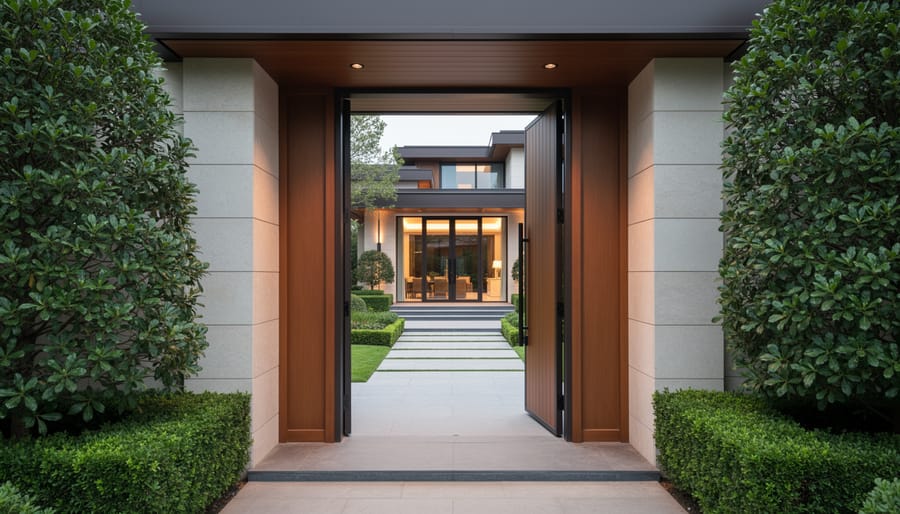
When a Richard Neutra residence or a Mies van der Rohe masterpiece changes hands, the transaction rarely appears on conventional real estate platforms. These architectural landmarks circulate through what preservationists call “circles of stewardship”, networks of collectors, institutions, and knowledgeable buyers who understand the responsibility inherent in owning a piece of architectural history.
The rationale extends beyond mere privacy. Public listings invite renovation proposals that may compromise original design intent. A 1950s Philip Johnson glass house, for instance, requires an owner who appreciates its radical transparency rather than viewing floor-to-ceiling glazing as a problem to solve with window treatments. Private sales allow current stewards to screen potential buyers for architectural literacy and preservation commitment.
Historic designation paradoxically drives properties deeper into shadow markets. A Craftsman mansion by Greene & Greene or a Victorian estate with original William Morris interiors attracts buyers specifically seeking architectural pedigree, yet public exposure generates attention from renovation-minded purchasers who view historical integrity as negotiable. Specialists, often affiliated with architectural preservation societies or university collections, quietly circulate details to pre-vetted prospects.
This approach has intensified in 2026 as architectural tourism and social media create new pressures. Owners of significant homes increasingly fear public listings will transform their residences into pilgrimage sites, preferring discreet transitions to buyers who value privacy alongside preservation.
The Privacy Premium in Contemporary Design
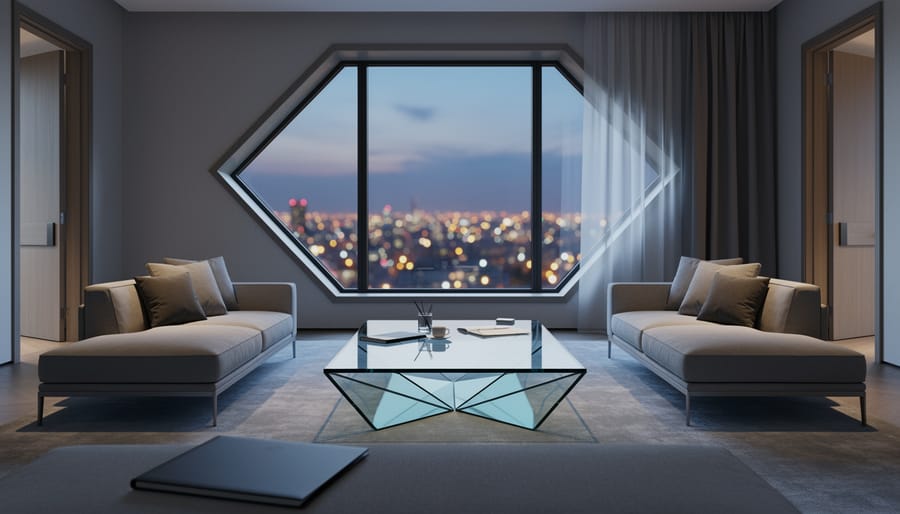
Contemporary architectural features designed to enhance livability and efficiency have become paradoxically restrictive when it comes to public marketing. Integrated smart systems controlling climate, lighting, and security present a genuine vulnerability: detailed listings that showcase these technologies essentially provide blueprints for exploitation. The same applies to bespoke sustainable infrastructure, from greywater recycling systems to private energy grids, where public exposure of operational specifics could compromise both competitive advantage and physical security.
Biometric access controls, concealed safe rooms, and advanced surveillance networks represent substantial investments in protection that lose effectiveness once documented in marketing materials circulating across multiple listing platforms. Even architectural solutions like discreetly integrated security screens become less effective when their placement and specifications appear in public domain photography. High-net-worth individuals commissioning cutting-edge sustainable homes face a similar calculus: revealing proprietary solar arrays, experimental building materials, or water purification systems invites both corporate espionage and unwanted attention from activists or competitors.
The privacy premium extends beyond security concerns. Owners of architecturally innovative properties often prefer maintaining mystique around their homes’ capabilities, viewing full disclosure as diminishing both the home’s perceived value and their own competitive positioning within social and business networks. This calculus makes private transactions, where information travels through trusted intermediaries to pre-qualified buyers, the rational choice for contemporary design’s most sophisticated iterations.
The Invisible Network: How Off-Market Transactions Operate
The Curator Class: Brokers Who Guard the Gates
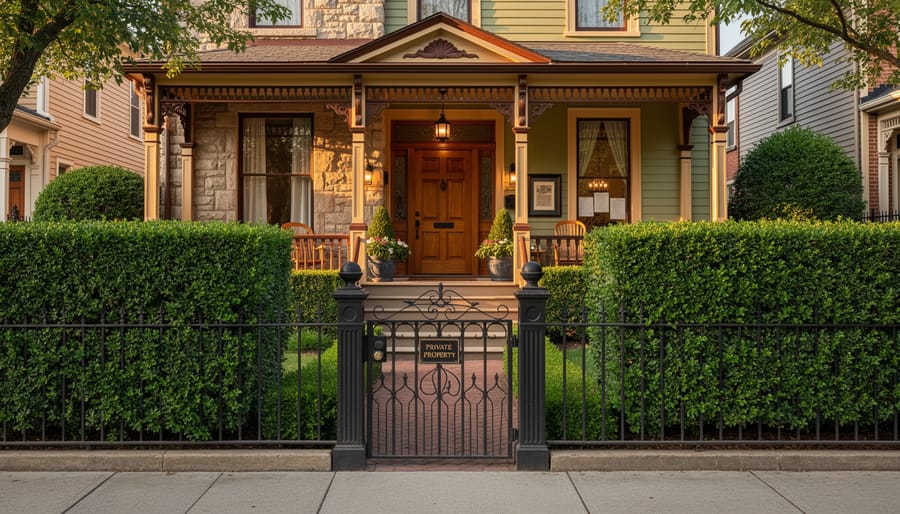
The elite brokers who facilitate off-market transactions bear little resemblance to traditional real estate agents. They function as archivists of impossible-to-access properties, curating portfolios that exist only in private databases and carefully maintained personal relationships. These professionals typically represent no more than a dozen active clients at any time, focusing instead on depth of connection and multi-generational trust.
Their work centers on anticipating needs before clients articulate them. A London-based curator might maintain detailed knowledge of 40 significant properties across three continents, understanding not just architectural specifications but ownership histories, family dynamics, and the precise moment when a discreet inquiry might be welcomed. They track patterns: which collector prefers Brutalist estates in remote locations, which family office seeks Mediterranean compounds suitable for art installations, which tech entrepreneur wants a Japanese-influenced sanctuary within an hour of a major airport.
These gatekeepers operate through layered introduction protocols. A typical off-market introduction might involve three intermediary conversations before buyer and seller knowledge of each other’s identity. The curator’s value lies in protecting both parties from unsuitable matches, filtering dozens of inquiries to present only the two or three prospects who genuinely understand a property’s architectural significance and can complete a transaction at the required level of discretion.
Compensation structures reflect this specialized service. Rather than percentage-based commissions, many command retainer fees ranging from $50,000 to $200,000 annually, plus success fees negotiated individually for each transaction. This model ensures their loyalty remains with their long-term client relationships rather than any single sale.
Digital Discretion: Technology Platforms Serving the Shadow Market
The architecture of off-market property discovery has transformed radically in recent years. Where whisper listings once required decades-long relationships with a handful of trusted brokers, specialized digital platforms now connect connoisseur buyers with hidden inventory through invitation-only networks that make Fort Knox look accessible.
These systems operate on verification protocols more stringent than most private banking platforms. Prospective members undergo multi-stage authentication, financial verification, reference checks from existing members, sometimes even background reviews conducted by former intelligence professionals. One leading platform requires three sponsor endorsements from current members, each carrying personal liability for the introduced party’s conduct.
The technical infrastructure reflects these security demands. End-to-end encryption protects all communications. Property listings exist as temporary access keys rather than permanent postings, viewable only for predetermined windows and auto-deleting from servers after transactions close. Some platforms employ blockchain verification to create immutable records of access and interest while maintaining complete anonymity of the parties involved.
What distinguishes these networks from earlier iterations is their integration of architectural intelligence. Advanced search filters go far beyond square footage and location, allowing queries for specific architectural elements, rammed earth construction, passive house certification, particular landscape designers, or homes within designated conservation areas. Machine learning algorithms match buyers with properties based on past acquisitions and stated design philosophies rather than crude price brackets.
The sophistication extends to viewing protocols. Virtual walkthroughs use watermarked streams that identify any unauthorized recording or sharing. Physical showings require advance identity verification and often include non-disclosure agreements specific to architectural details and sustainability systems.
Architectural Typologies That Rarely Surface Publicly
Experimental and Award-Winning Designs
Architecturally innovative residences present a paradox: their experimental nature often generates critical acclaim yet simultaneously limits their marketability to the general public. A residence that incorporates radical spatial experiments, cantilevered volumes that defy conventional structural logic, kinetic facades that respond to environmental conditions, or material innovations like mycelium composites, requires a buyer who can appreciate the vision beyond superficial aesthetics. These properties rarely endure traditional marketing processes because they speak a specialized architectural language understood by only a narrow segment of potential purchasers.
The off-market channel serves as the natural habitat for such properties. When a RIBA award-winning residence integrating pioneering passive house technology becomes available, its architect or original broker typically approaches a curated list of collectors who have demonstrated sophisticated understanding of sustainable luxury. Similarly, AD100 homes featuring boundary-pushing design often circulate privately among design cognoscenti who recognize their cultural significance.
This creates an interesting dynamic where the most architecturally significant residences become increasingly invisible to broader markets. A home that challenges conventional domestic typologies, perhaps eliminating traditional room divisions entirely or reimagining the relationship between indoor and outdoor space through radical transparency, finds its ideal steward through private networks rather than public exposure. The architecture itself becomes too nuanced, too specific in its intentions, to withstand the reductive lens of mass-market property platforms.
Compound Estates and Multi-Generational Properties
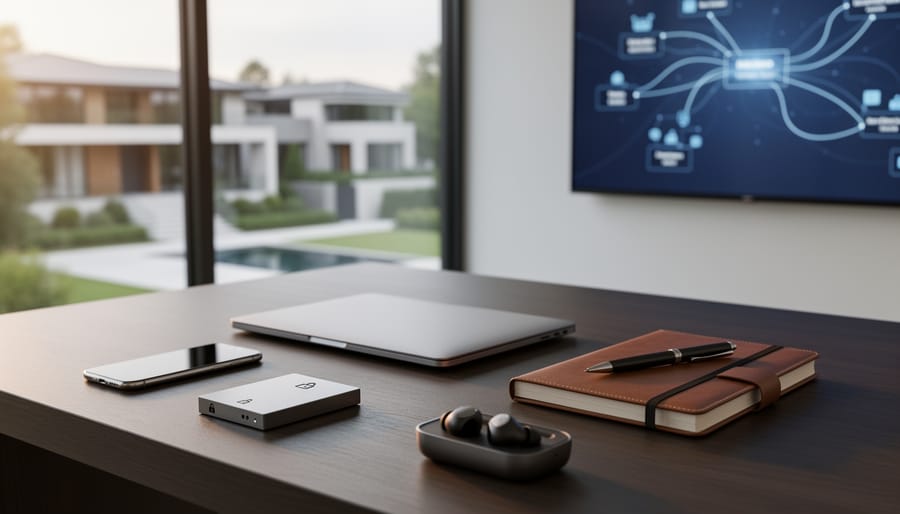
Large-scale residential compounds represent perhaps the most complex category of properties that circulate exclusively through private channels. These estates, comprising multiple structures, extensive acreage, and intricate operational systems, present challenges that make traditional marketing impractical and often counterproductive.
A typical compound might include a primary residence, guest pavilions, staff quarters, recreational facilities, and specialized structures like wine cellars, art studios, or private galleries. The sheer complexity of conveying such properties through conventional listings becomes prohibitive. Marketing materials would require hundreds of images, extensive documentation of separate utility systems, detailed maintenance protocols, and explanations of governance structures that might span multiple legal entities.
The operational sophistication alone narrows the buyer pool dramatically. These properties often employ full-time staff, require knowledge of agricultural management if working farms are involved, and demand understanding of complex security systems and environmental controls. Sellers recognize that only a handful of buyers possess both the financial capacity and lifestyle infrastructure to absorb such an acquisition, making targeted private approaches far more efficient than casting a wide net.
Multi-generational compounds add another layer, where family legacy considerations, existing staff relationships, and community integration make discretion essential to transition planning.
Cultural Heritage Homes Across Global Markets
Properties carrying deep cultural significance operate within entirely distinct transaction ecosystems that reflect their architectural and historical weight. In Marrakech’s medina, restored riads with centuries-old zellige tilework and carved cedar ceilings change hands through personal introductions, often facilitated by restoration specialists who understand both the technical demands and cultural responsibilities of stewardship. These transfers prioritize continuity of preservation philosophy over price maximization.
Similarly, Kyoto’s machiya, traditional wooden townhouses with latticed facades and interior gardens, rarely appear in conventional listings. Their sales involve introductions through architectural historians or neighborhood associations who vet potential owners for commitment to maintaining historical character within UNESCO World Heritage contexts. The same pattern emerges with courtyard houses in Damascus, colonial shophouses in Georgetown, and Art Nouveau townhouses in Brussels.
This specialized circulation protects architectural integrity while connecting properties with buyers who possess requisite knowledge, resources, and cultural sensitivity. The transactions themselves become acts of preservation, ensuring these homes transition to custodians rather than mere purchasers, maintaining living architectural heritage across generations.
The Design Implications of Selling Without Exposure
Designing for the Initiated Buyer
When architects design homes destined for private sale channels, they operate within a different creative paradigm. Without the imperative to appeal to broad market tastes or photography-ready staging conventions, these projects become laboratories for architectural ideas that demand sophisticated understanding.
In Japan’s exclusive residential districts, architects commissioned by collectors create homes incorporating traditional joinery techniques visible only upon close examination, details that would register as mere texture in listing photographs but reveal master craftsmanship to informed buyers. Similarly, European modernist commissions increasingly feature material experiments: concrete formulations that age deliberately, custom glass compositions that modulate light in specific seasonal patterns, structural systems that celebrate engineering ingenuity over visual simplicity.
This freedom extends to spatial narratives that unfold gradually rather than announce themselves instantly. A Mediterranean villa designed for off-market circulation might organize itself around microclimates and garden sequences comprehensible only through physical experience, resisting the flattening effect of virtual tours. The initiated buyer, often introduced through the architect’s own network, arrives prepared to decode these layered intentions.
The result is architecture that functions as intellectual property, where design innovation remains partially protected through limited exposure, creating homes that reward extended observation rather than immediate recognition.
Documentation as Legacy: Architectural Photography Beyond Marketing
When a home will never appear on a listing platform, architectural photography shifts from marketing tool to historical record. Commissioned documentation of off-market properties serves multiple constituencies, the architect’s portfolio, the owner’s personal archive, specialized publications that operate under strict embargo agreements, and occasionally institutional collections studying residential design evolution. These shoots unfold under different constraints than typical real estate photography. Rather than emphasizing bright, neutral palatability, photographers collaborate with architects to capture spatial concepts, material innovations, and contextual relationships that reveal why the property merits permanent documentation.
The resulting imagery often remains private for decades, circulating only among design professionals and potential future buyers within trusted networks. Some owners maintain comprehensive visual archives of their homes’ evolution, documenting everything from initial construction to subsequent modifications, even mundane updates like bathroom renovation costs and material choices, creating a complete record for eventual heirs or institutional donors. Others commission annual or seasonal documentation, building a visual narrative that captures how light, landscape, and use transform the architecture across time. This approach treats photography as legacy preservation rather than transaction facilitation, ensuring that architecturally significant homes contribute to design discourse even when they never enter public view.
Global Perspectives: Off-Market Traditions Across Cultures
The approach to off-market property transactions varies dramatically across global luxury markets, shaped by centuries-old cultural attitudes toward privacy, family wealth, and property ownership. In European heritage markets, the tradition of discreet real estate dealings runs deep, particularly in cities like London, Paris, and Geneva where established wealth has long valued discretion over display. Historic townhouses in Mayfair or hôtels particuliers in the 7th arrondissement rarely see public listing boards, instead transferring through family solicitors and private banking relationships that have served lineages for generations. The architectural character of these properties, often protected heritage buildings requiring specialized restoration knowledge, naturally limits their buyer pool to those with both resources and understanding of preservation requirements.
| Region | Off-Market Prevalence | Cultural Factors | Typical Property Types |
|---|---|---|---|
| Western Europe | 60-75% of ultra-luxury | Heritage preservation, family privacy, tax efficiency | Historic townhouses, country estates, protected villas |
| East Asia | 50-70% of top tier | Business discretion, generational wealth transfer, cultural modesty | Penthouse suites, compound estates, modernist villas |
| Middle East | 70-85% of prime | Absolute privacy expectations, family compounds, sovereign wealth | Palace-scale residences, gated compounds, waterfront estates |
| Americas | 40-60% of luxury | Celebrity privacy, investment strategy, architectural significance | Architectural masterworks, oceanfront compounds, penthouses |
Asian luxury markets demonstrate different motivations for off-market preference. In Hong Kong, Singapore, and increasingly in mainland Chinese gateway cities, business families maintain strict separation between public profiles and private holdings. The cultural emphasis on modesty and face-saving makes public property listings unseemly for established wealth, while practical concerns about kidnapping, extortion, and unwanted attention drive security-conscious transaction methods. Tokyo’s luxury market operates through particularly closed networks where traditional machiya conversions and contemporary compounds by architects like Heatherwick studio circulate among collectors who appreciate architectural innovation within cultural context.
Middle Eastern markets represent perhaps the most intensely private luxury property ecosystem globally. In Dubai, Riyadh, and emerging luxury enclaves, palatial residences covering multiple acres with extensive staff quarters and security infrastructure never surface publicly. The region’s concentration of sovereign wealth, royal families, and ultra-high-net-worth individuals creates demand for properties that function as both homes and private complexes requiring absolute discretion during transactions.
American markets show more variation, with coastal technology wealth in California embracing off-market sales for privacy and strategic advantage, while traditional East Coast wealth in the Hamptons or Martha’s Vineyard balances discretion with occasional public listings that serve as market-setting benchmarks. Latin American luxury markets in São Paulo, Buenos Aires, and increasingly in Mexico City operate through tight professional networks where family offices and trusted advisors facilitate transactions that protect both buyer and seller identities in regions where wealth visibility carries security risks.
The proliferation of off-market property transactions represents more than a shift in real estate mechanics, it signals a fundamental reordering of how we understand architectural value and cultural memory. When the world’s most innovative homes circulate through invisible channels, architectural discourse loses its shared reference points. The canonical homes that once shaped collective understanding of residential design now have successors that most will never see, creating a bifurcated architectural culture where groundbreaking work exists primarily in whispered conversations and password-protected digital archives.
This transformation challenges the traditional pathways through which architecture gains recognition and influence. Historic precedent required visibility: Frank Lloyd Wright’s Fallingwater inspired generations precisely because it could be experienced and studied. Today’s equivalent might transact privately between collector-level buyers who view discretion as the ultimate luxury amenity. The question becomes whether architectural innovation can maintain cultural relevance when divorced from public discourse.
The tension between recognition and privacy will likely intensify as wealth concentration accelerates and surveillance concerns deepen. Future residential masterpieces may be conceived from inception as fundamentally private works, architectural equivalents of unexhibited art collections. Architects working at the highest level increasingly navigate this paradox: creating landmarks that cannot become landmarks, designing for posterity while accepting invisibility.
Yet invisibility carries its own form of mystique. The homes that never reach the open market occupy an aspirational space in the cultural imagination precisely because they remain elusive. They represent an architectural frontier where creative boundaries can be pushed without public scrutiny, where experimentation serves singular vision rather than market validation.
This shadow market will shape not just how exceptional homes are bought and sold, but what kinds of homes get built. As privacy becomes architecture’s most valuable program, the next generation of residential design may prioritize concealment over display, creating beauty that exists primarily for those who inhabit it, an intimate architecture for an increasingly surveilled world.